

Share your yard as a garden host: a first-timer's checklist
Thinking about letting a neighbor garden on your unused space? A practical checklist for hosts: is your yard suitable, what to confirm first, what to put in writing, and how to meet a gardener safely.
What being a garden host means
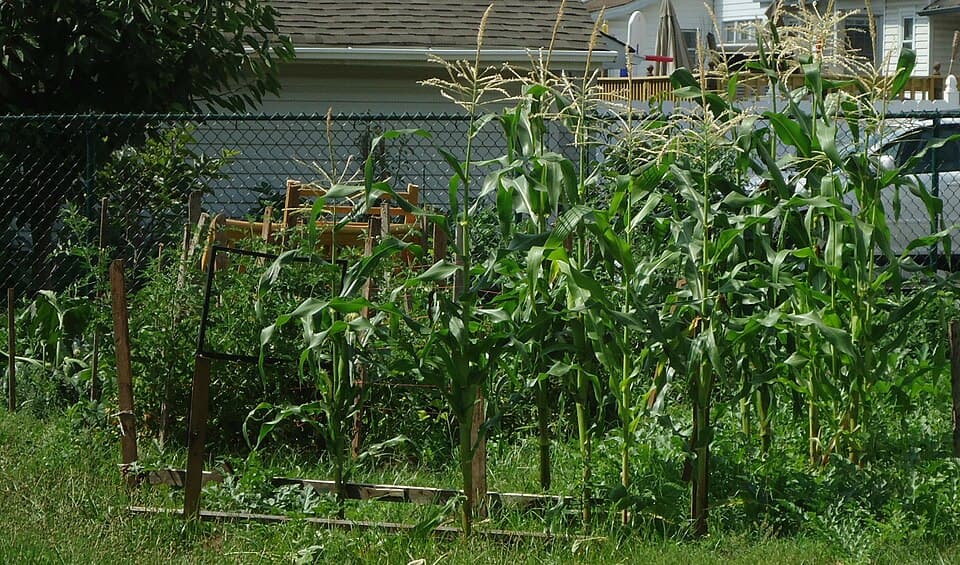
A garden host is someone with a yard, side lot, rooftop, or unused bed who lets another person grow there. Hosts get a tidier, more productive space, sometimes a share of the harvest, and often a friendlier street. It is a private arrangement between you and the gardener, so it only works if you both know what you are agreeing to. This guide walks you through the decisions in the order you will meet them. If you want the bigger picture first, start with how yard sharing works.
Step 1: Is your space suitable?
You do not need a perfect yard, but a gardener will need a few basics. Walk the space at different times of day before you offer it.
A quick suitability check
- Sunlight: a spot that gets direct sun for much of the day in the growing season
- Water: a tap or hose within reach, and a clear idea of who pays for it
- Access: a path to the garden that does not run through your private areas
- Soil: you know what the land has been used for; test it if it is unclear
- Separation: pets, children, lawn care, and any chemicals are accounted for
- Size: enough room for a couple of beds, even if it is a small corner
Step 2: Check permissions before you promise anything
Before you tell anyone yes, confirm that you are allowed to share the space.
- If you rent, ask your landlord for permission in writing.
- If you have a homeowners' association, read what it says about gardens, structures, and visitors.
- Check any local bylaws about what can be grown or built in a front or side yard.
- Ask your home insurer how a gardener on your property is treated. Rules and coverage differ by place and by policy, so get the answer from the insurer, not from a guide.
Step 3: Decide what you want in return
Hosts ask for different things, and many ask for nothing. Common patterns are a share of the harvest, help with a chore in the rest of the yard, a seasonal contribution, or simply having the space cared for. In Growers Ground, hosts can describe their arrangement on their profile, and both people agree on it before anyone gardens. Whatever you choose, keep it simple enough that it is easy to follow when you are both busy.
- CommonHarvest share
The gardener keeps most of the crop and gives you an agreed portion in season.
- CommonHelp in exchange
Weeding, mowing, or tidying part of the yard in return for growing space.
- OptionalSeasonal contribution
An agreed amount for the season, which should be written down like any other term.
- Also fineNothing at all
Some hosts just want the space used and looked after.
Questions to ask a gardener
A short conversation tells you more than a profile does. You are not interviewing someone for a job, but it is reasonable to ask about their experience and what they hope to grow. Questions that help:
- What do you want to grow, and how much space do you need?
- How often will you be here, and at what times of day?
- Have you gardened before, and what do you do about pests and weeds?
- Do you need access to a tap, a tool shed, or storage?
- Are you comfortable with the boundaries and house rules we have discussed?
Take note of how the person responds. Someone who listens, asks questions of their own, and respects the limits you set is likely to be a good fit.
Step 4: Put the agreement in writing
A short written agreement, even a message thread both of you confirm, prevents most disagreements. It does not need to be formal. It does need to be specific.
What to cover
- Exactly which part of the yard is included, and where the boundaries sit
- Days and times the gardener may be there, and whether to message first
- Who supplies tools, compost, and water, and who pays for the water
- What may and may not be done: pesticides, structures, digging, trees
- How the harvest, or any contribution, is shared
- Start and end dates, and how much notice either side gives to stop
- What happens to the beds and any leftover plants at the end of the season
- Who to talk to first if something goes wrong
Step 5: Meet safely and trust your instincts
Take your time before anyone is in your yard. The steps below are a sensible order for a first match.
- Message first
Keep early conversations in writing so you both have a record of what was said.
- Meet somewhere easy
A coffee shop or the street outside is fine. You do not need to invite anyone in yet.
- Walk the space together
Do a short walk-through in daylight and talk through the checklist above.
- Start small
Agree on a trial for the first few weeks and review how it is going.
- Step back if it feels off
You never have to continue. Say no politely, or end the arrangement using the notice you agreed on.
What good hosting looks like
The most successful hosts treat the arrangement as a small ongoing relationship. They check in early in the season, say what is working, and ask for what they need. They also respect the gardener's work: a bed that has been planted is not a place to park a lawnmower or throw a party. If you are unsure whether something affects the garden, ask first. For their part, good gardeners keep the space tidy, harvest on time, and tell you if they need to stop. When both people do this, the arrangement tends to last.
Your privacy as a host
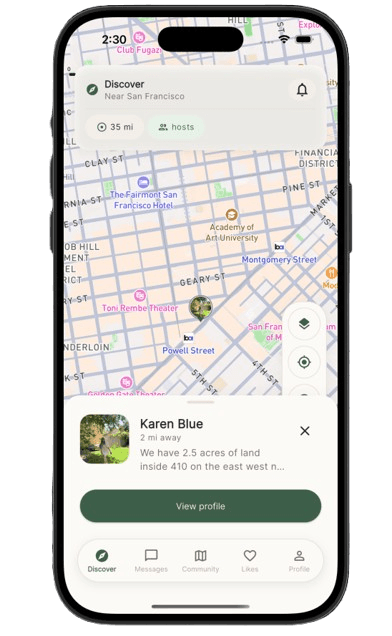
In Growers Ground, locations are approximate on the map until you choose to connect with someone, so your exact address is not published. You decide who you message, and the app includes tools to block and report other users. Share your address only when you are comfortable.
Your first season, month by month
Expect an adjustment period. Most arrangements settle once you have both seen how the space actually gets used.
- Before the season
Confirm permissions, agree on terms, and walk the space together.
- First few weeks
Check in often. Fix small problems, like gate access or water, before they grow.
- Mid-season
Review the arrangement. Is the harvest share working? Does anything need to change?
- End of the season
Clear dead plants, decide what stays, and talk about whether to continue next year.
Frequently asked questions
Do I need to charge anything? No. Many hosts ask for a share of the harvest or some help in the yard, and some ask for nothing. If money is involved, write it down.
What if it does not work out? That is why you agreed on notice up front. Use the notice you both agreed to and end it kindly.
Can I share a rented yard? Only with your landlord's permission, ideally in writing.
Where can I find a gardener? Ask neighbors and local clubs, or look for gardeners near you in an app like Growers Ground. If you are a gardener looking for space, read how to find a place to grow vegetables.
Growers Ground is rolling out city by city across the US and Canada. Join the waitlist to hear when your area opens.
Join the waitlistAbout the app →