

Gardening with neighbors: 7 ways to start, from a shared bed to a garden club
You do not need a big plan to garden alongside the people on your street. Seven low-effort ways to start, how to approach a neighbor, and how to keep things friendly when plans change.
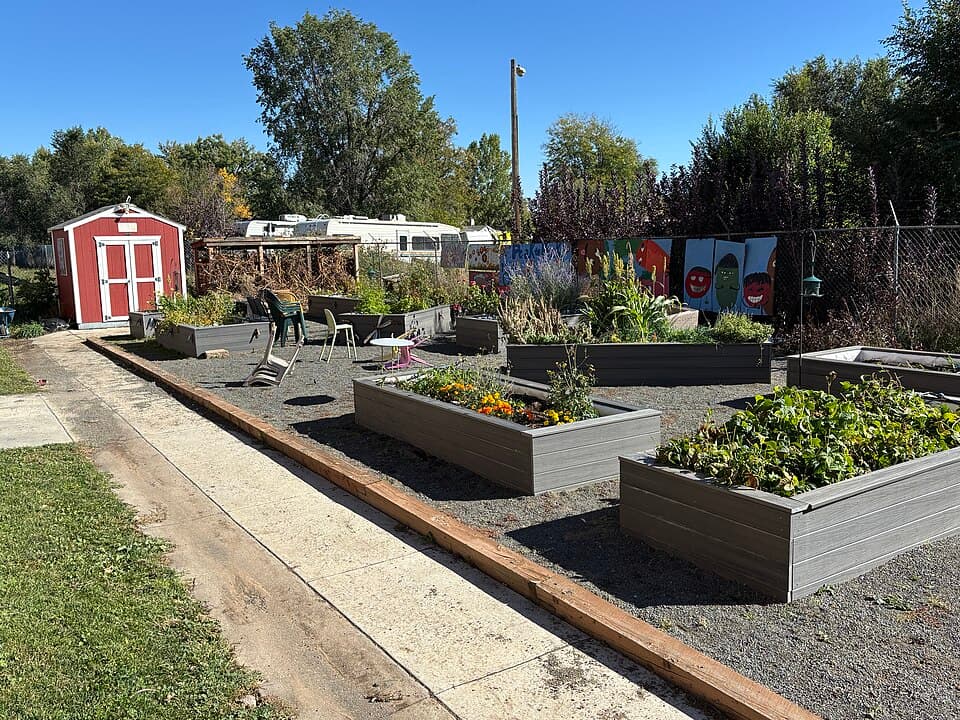
Why neighbors are your best garden resource
The people closest to you often have what you are missing: sunny ground, a spare shovel, a surplus of zucchini, or years of local knowledge about when frost actually arrives. Gardening together does not have to mean a big organized project. It can start with a conversation over a fence. The seven ideas below are ordered from lowest to highest commitment, so you can pick the one that fits the time and trust you already have.
Seven ways to start
Start with the first one or two. Most of these grow naturally into the next.
- Easy1. Share the surplus
Leave extra tomatoes, herbs, or flowers with a note. It opens the door without asking for anything.
- Easy2. Swap seeds and seedlings
Trade extra starts and saved seed in spring. Our seed swap guide explains what to bring.
- Easy3. Share tools
A shared wheelbarrow, hose, or set of tools saves everyone money and gives you a reason to chat.
- Medium4. Garden a neighbor's unused space
A yard share lets you grow in a bed or corner that is sitting empty. Agree on terms first.
- Medium5. Plant a shared bed
A street-side or courtyard bed that two or three households tend together, with a simple watering schedule.
- Bigger6. Start a gardening group
A monthly workday or a group chat for questions, swaps, and watering help while people travel.
- Bigger7. Organize a community garden
If enough neighbors are interested and land is available, read how to start a community garden.
Start with a shared task, not a shared bed
The easiest first project is one where nobody has to give up any ground. Offer to water while a neighbor travels, set up a rotating tool box, or plan a swap day in spring where everyone brings extra seedlings. These small exchanges build trust, show you how each person likes to garden, and tell you quickly whether a bigger project would work. If a neighbor already has a thriving garden, ask what they would do differently, and then listen. Gardeners enjoy being asked.
A good rule of thumb is to grow commitment at the same pace as trust. A season of friendly swaps is a strong foundation for sharing a bed. A season of sharing a bed is a strong foundation for starting a group. For a seed-specific starting point, read our guide to seed swaps.
How to approach a neighbor
Most people say yes to a small, specific, low-pressure ask. The trick is to make it easy to decline without awkwardness.
- Start with something you notice
A bed they planted, a tree that fruits, a compliment about the yard.
- Offer something first
A handful of extra seedlings or a jar of something you made goes a long way.
- Make one small, clear ask
For example: could we share a hose this summer, or would you be open to me growing in the corner you are not using?
- Give them an easy out
Say you completely understand if it is not a good fit. Then really mean it.
- Follow up in writing
If they say yes, send a short message confirming what you agreed.
A message you can borrow
If you prefer to write first, a short note works.
What to share, and what to keep separate
Sharing works best when everyone is clear about what is communal and what is personal. Tools, compost, and watering duties are easy to share. Individual beds, favorite varieties, and the food people grow for their families usually are not, unless you decide otherwise. If you share a harvest, decide up front how to split it, and if someone wants to keep their own plot, respect that. Where several households garden together, a short written list of agreements on a gate, a fridge, or in a shared note keeps everyone on the same page.
Agree on the basics, even when it is friendly
Good relationships survive on clear expectations. For anything beyond a swap, agree on a few things up front: who waters and when, what happens to the harvest, whether pesticides or new structures are allowed, and what happens if one of you moves or loses interest. If you rent, ask your landlord first, and if you have an HOA, check its rules. For anything involving someone else's land, our guide for hosts has a fuller checklist: share your yard as a garden host.
Keeping it friendly
Most conflicts in shared gardens come from a few predictable places. Naming them early makes them easier to talk about.
- Water: who pays and who remembers.
- Boundaries: where one bed ends and another begins.
- Weeds and pests: one neglected patch can affect everyone.
- Time: life gets busy, and seasons end.
When something goes wrong, talk early and in person or by phone, not by leaving notes. Assume the best, say what you need, and agree on one small change. It also helps to review the arrangement at the end of each season rather than letting resentment build.
When it is not working
Not every arrangement lasts, and that is fine. If it is not working, say so kindly, use the notice you agreed on, and leave the space tidy. Thank them, give back anything borrowed, and keep the door open. A graceful ending makes it much more likely the next neighbor, or the same one next year, will say yes.
Finding neighbors who garden
If you do not know who nearby gardens, look for clues: raised beds, trellises, compost bins. Check a local community board, a library, a school, or a nearby community garden, which often have notice boards and workdays. Apps can help too. Growers Ground is a map-first app where gardeners and hosts appear as pins and you can message before agreeing to anything; it is rolling out city by city, and you can join the waitlist on the home page. To see community gardens already mapped near you, browse the city directory, and for the formal route see how to find a community garden near you.
Growers Ground is rolling out city by city across the US and Canada. Join the waitlist to hear when your area opens.
Join the waitlistAbout the app →